Many parents reach this question after months, or even years, of worry. You may feel unsure, exhausted, or concerned about making the wrong decision. If traditional school no longer feels right for your child, it is natural to explore other options and want clear, honest guidance before taking the next step.
This article helps you think through whether online schooling could suit your child’s needs, circumstances, and wellbeing. There is no single right answer. The aim is to help you make an informed decision with clarity and confidence.
For more information, discover advice for parents considering online school for their children
1. Is my child struggling in a traditional school environment?
Many children find mainstream school challenging. Large class sizes, busy corridors, and rigid routines can feel overwhelming, especially for children who need more time, space, or reassurance to learn well.
If your child often feels overstimulated, anxious, or exhausted after school, the environment itself may be contributing to their difficulties. Online schooling offers a calmer learning environment, with smaller classes and fewer distractions, which can help some children feel safer and more able to focus.
2. Does my child experience anxiety, school refusal, or attendance difficulties?
Attendance issues often signal that something is not working for a child. Anxiety, school refusal, or persistent absence can develop when school becomes emotionally overwhelming.
Online schooling can reduce some of the pressures linked to travel, large peer groups, and sensory overload. Learning from home allows children to re-engage with education while maintaining structure, routine, and access to live lessons with qualified teachers.
It is important to view online schooling as an educational approach, not a response to mental health needs alone. Ongoing pastoral care and the right support remain essential.
3. Does my child benefit from smaller classes and personalised attention?
Some children learn best when teachers can respond closely to their individual needs. In large classes, children may feel overlooked or struggle to keep up.
Online school settings often use small class sizes, allowing teachers to adapt lessons, check understanding, and provide regular feedback. This personalised attention can help children build confidence and feel more secure in their learning.
4. Does my child have SEND or additional learning needs?
Children with special educational needs often require flexible approaches, clear routines, and consistent support. Online schooling can suit some SEND learners by offering smaller classes, adapted teaching methods, and a supportive learning environment.
If your child has an Education, Health and Care Plan, online education may form part of their provision, depending on suitability and local arrangements. Our SEND and EHCP guidance explains how support and funding can work.
Suitability always matters more than labels. What works for one child may not work for another.
5. Can my child engage with live lessons and online learning?
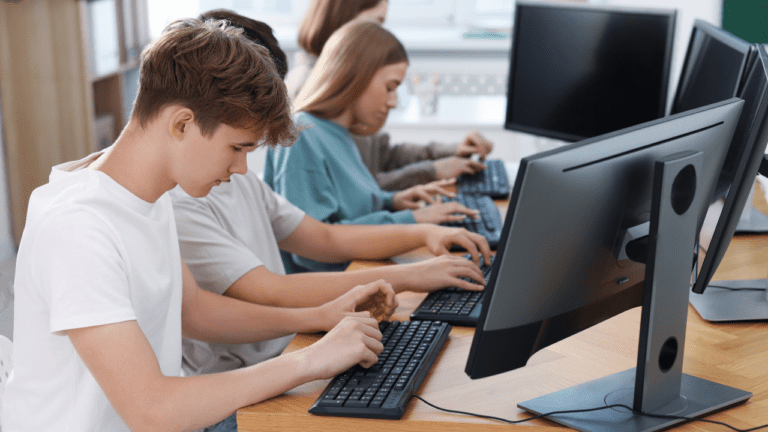
Online schooling relies on live lessons rather than independent study alone. Children need to attend lessons, interact with teachers, and take part in activities through a screen.
Some children engage well with this format, while others find screen-based learning difficult. It helps to consider your child’s attention span, communication style, and ability to follow routines when learning online.
A suitability discussion helps you explore this realistically. Get in touch with our expert team for an informal chat today.
6. What level of support can I provide at home during the school day?
Online schooling works best when a supportive home environment exists. This does not mean parents need to teach lessons, but younger children or those with additional needs may benefit from adult presence to help with routines, organisation, or reassurance.
Thinking honestly about the support available at home helps ensure online schooling remains a positive experience rather than an added source of stress.
7. Does my child need flexibility due to health or family circumstances?
Some children need flexibility because of health conditions, medical appointments, or family circumstances. Others may be moving between countries or returning to the UK after time abroad.
Online schooling can offer continuity in these situations, allowing children to follow the British curriculum and remain aligned with UK year groups. Our online school hub explains how this works for families in the UK and internationally.
8. How important is social interaction for my child right now?
Social interaction matters for children, though it looks different for everyone. Some children find large social settings difficult, while others feel isolated without regular contact.
Online schooling still provides opportunities for interaction through live lessons, group activities, and school clubs. These settings allow children to build connections in a structured and supportive way, without the pressures of traditional school environments.
9. Will online schooling support my child’s future goals?
Parents often worry about what comes next. You may be thinking about GCSEs, A levels, further education, or whether your child might return to a physical school in the future. Online schooling can support different pathways, depending on your child’s needs, pace, and circumstances.
Clear assessment, regular feedback, and recognised curricula help children stay on track academically. Structured teaching and consistent routines also support the development of independent learning skills, which many children need to build confidence and resilience over time.
Alongside teaching, mentoring support plays an important role for some learners. Mentors help children set achievable goals, stay motivated, and reflect on progress. This guidance supports planning for next steps, whether that involves exam preparation, reintegration into a physical school, or progression into further education.
By combining academic teaching with mentoring and pastoral support, online schooling helps children prepare for future education and life beyond school at a pace that feels manageable and supportive.
10. Am I looking for a temporary solution or a longer-term pathway?
Some families use online schooling as a short-term solution to help children re-engage with learning. Others find it suits their child as a longer-term pathway.
Understanding your goals helps shape the right approach. Online schooling can support both short-term stability and longer-term progress when planned carefully.
What if I am still unsure?
Feeling unsure does not mean you are making the wrong choice. Many parents explore several options before finding what works best for their child.
Talking to your child’s current school, reviewing local authority guidance, and seeking advice from experienced providers can help you gain clarity. You can find broader guidance and next steps on our advice for parents page.
Get More Advice for Parents with Online School
If you want to explore whether online schooling could suit your child, a conversation helps you understand options without pressure. Discussing needs, circumstances, and goals allows you to make informed decisions based on suitability and support.
Learn more in our Online School in the UK guide for a detailed explanation of how online education works at Nisai.