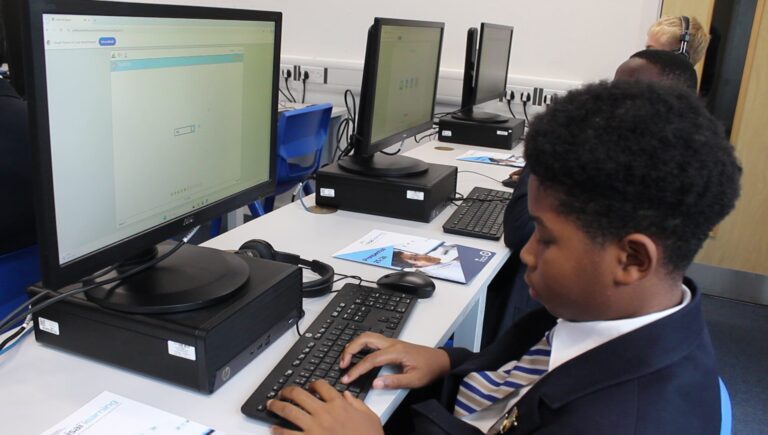
Student mentoring at Nisai gives children and young people dedicated support alongside their education. Available both virtually and in person, our mentoring programmes are designed to help students build confidence, develop essential life skills and overcome barriers that may be affecting their learning or wellbeing.
Mentoring can support pupils across different age groups and circumstances. This includes learners attending mainstream school, students enrolled on our online school programmes and young people preparing for the next stage of their education.
Every learner is different. Our mentoring support is shaped around the individual, their aspirations and the areas where additional guidance could make a meaningful difference.
Student mentoring at Nisai gives children and young people dedicated support alongside their education. Available both virtually and in person, our mentoring programmes are designed to help students build confidence, develop essential life skills and overcome barriers that may be affecting their learning or wellbeing.
Mentoring can support pupils across different age groups and circumstances. This includes learners attending mainstream school, students enrolled on our online school programmes and young people preparing for the next stage of their education.
Every learner is different. Our mentoring support is shaped around the individual, their aspirations and the areas where additional guidance could make a meaningful difference.
of UK students have learning barriers. 59% of our UK students have multiple barriers
Students more likely to succeed if online schooling is supplemented with mentoring
96% of our students successfully reintegrate back into mainstream or further education and employment
of UK students have learning barriers. 59% of our UK students have multiple barriers
Students more likely to succeed if online schooling is supplemented with mentoring
96% of our students have successfully reintegrated back into mainstream education or progressed into further education and employment
Education is about more than academic progress. Confidence, communication, independence and positive relationships can all play a key role in helping a student engage with learning and prepare for the future.
Student mentoring provides a consistent person a learner can speak to outside of their usual academic lessons. Sessions can create space to discuss challenges, set achievable goals and develop practical strategies for moving forward.
Mentoring can also complement wider student wellbeing support where a learner is experiencing low confidence, difficulty settling into school, changes in attendance or challenges with their current routine.
The aim is not to tell students what to do. Mentors encourage students to recognise their own strengths, build confidence and develop the skills to make positive decisions more independently.
Education is about more than academic progress. Confidence, communication, independence and positive relationships can all play a key role in helping a student engage with learning and prepare for the future.
Student mentoring provides a consistent person a learner can speak to outside of their usual academic lessons. Sessions can create space to discuss challenges, set achievable goals and develop practical strategies for moving forward.
Mentoring can also complement wider student wellbeing support where a learner is experiencing low confidence, difficulty settling into school, changes in attendance or challenges with their current routine.
The aim is not to tell students what to do. Mentors encourage students to recognise their own strengths, build confidence and develop the skills to make positive decisions more independently.
A strong mentoring relationship develops through trust, regular communication and clear expectations.
Students should feel able to talk openly about what is going well as well as the areas they find difficult. The mentor can listen, ask questions and help the learner identify practical steps they can take.
Over time, these relationships can give young people a consistent point of support during periods of change.
For example, a pupil moving from primary to secondary school may need help adjusting to a new routine and increased responsibility. An older student may want guidance around organisation, future courses, college, university or career aspirations.
The focus remains on helping the learner become more confident and independent rather than becoming reliant on the mentor.
Student mentoring can support the development of skills that are useful both inside and outside of school.
These may include:
Communication Skills
Mentoring sessions give students an opportunity to practise explaining their thoughts, asking questions and discussing concerns with another person.
Confidence
Setting manageable goals and recognising progress can help students become more confident in their own ability.
Time Management and Organisation
A mentor can help a learner think about how they manage their week, school work, deadlines and other responsibilities.
Social Skills and Relationships
For some pupils, mentoring can provide guidance around communication, friendships and building positive relationships within their school or wider community.
Independence and Leadership Skills
As students become more confident in making decisions, solving problems and taking responsibility for their own progress, they can develop skills that will support them in future education, employment and leadership opportunities.
These skills can become particularly important during transitions, whether a student is joining a new school, preparing for examinations or thinking about university life and future career options.
Nisai global community
1,500+ students
Local Authorities supported across the UK
Nisai global community
1,500+ students
The right mentoring relationship can help a young person build confidence, strengthen their independence and feel more supported throughout their education.
At Nisai, mentoring for students starts with the individual. We take time to understand their goals, challenges and circumstances before considering the most appropriate support.
Whether a student needs help with motivation, communication, organisation, confidence or preparing for the next stage of life, our mentoring programmes provide consistent guidance from a trained mentor.
If you are a parent, carer, school, local authority or student looking for mentoring support, our team can discuss the available options with you.
Student mentoring is structured support provided to a child or young person by a trained mentor. Sessions can focus on confidence, communication, organisation, personal development and other areas that may help the learner engage more positively with education and prepare for their future.
In the context of Nisai’s service, a student mentor means a mentor who supports students, not a student who acts as a mentor. Their role is to listen, provide guidance, encourage realistic goals and help the learner develop confidence and greater independence.
No. Academic tutoring normally focuses on improving knowledge or ability in a particular subject. Mentoring takes a broader approach and may support confidence, communication, time management, motivation, relationships and future aspirations alongside education.
Yes. Mentoring can support pupils preparing for a change in school, returning to education or moving towards further education, university or another future pathway. Sessions can help the learner discuss concerns, establish routines and prepare for the change at a manageable pace.
AI tools can provide information and help students explore ideas, but they do not replace the personal relationship provided by a trained human mentor. Effective mentoring depends on ongoing communication, understanding the individual and building a consistent relationship over time.
A commonly used youth-development model focuses on Competence, Confidence, Connection, Character and Caring or Compassion. These ideas reflect many of the areas that mentoring can support, although Nisai shapes mentoring around the individual learner rather than relying on a single fixed framework.
“I can see him grow and develop and am sure that if he continues to get support from yourselves he will shine like a bright star and I am so proud of him to keep trying and not give up.”
Parent of Student
Are you looking for a new website? Contact Outrank Today