Nisai has successfully completed a pilot inclusive education programme at Binh Minh Primary School, marking an important step towards flexible, accessible learning for students with Special Educational Needs and Disabilities (SEND) within the public education system.
Following a structured collaboration period, the project has now reached its evaluation phase, providing valuable insights into how international SEND learning models can be effectively adapted to local school environments.
Delivering Flexible Learning Through the N-HELPP Programme
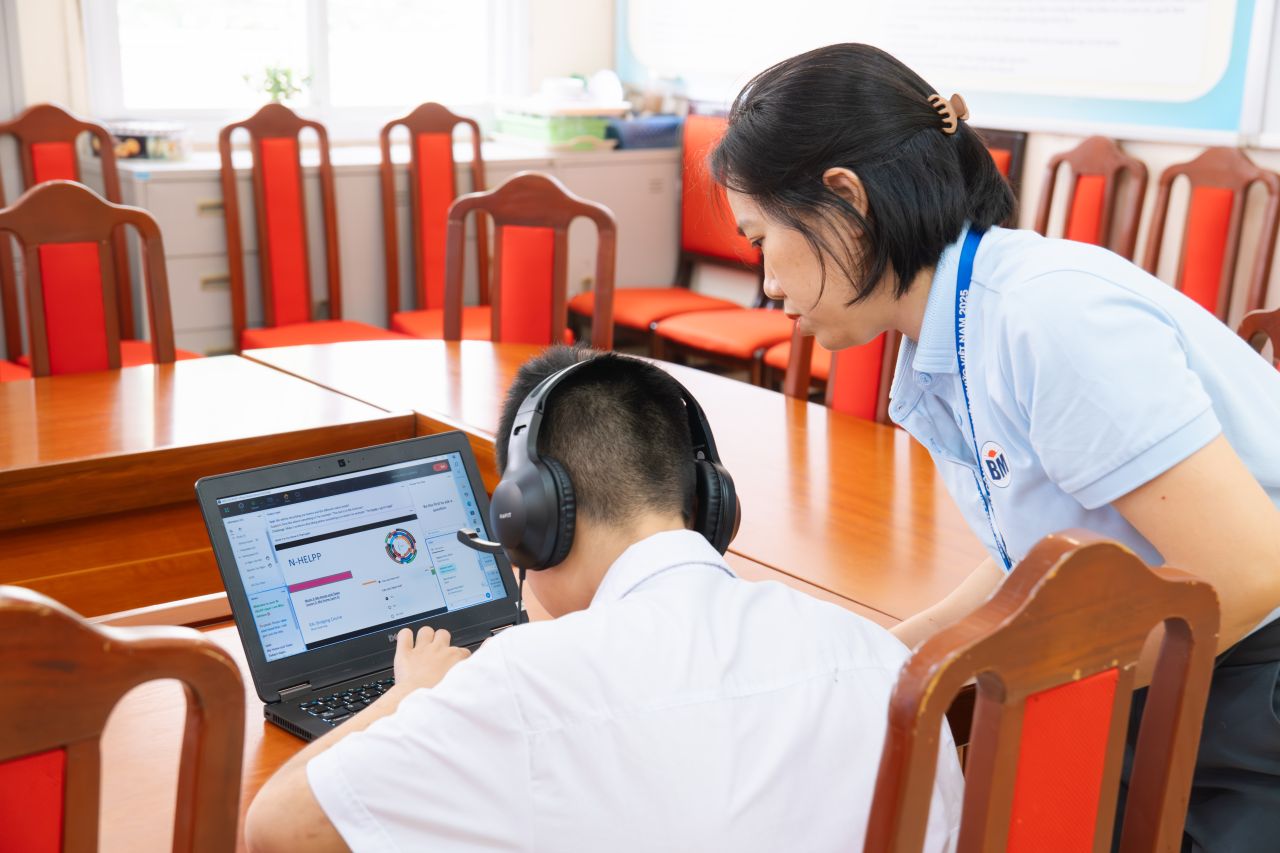
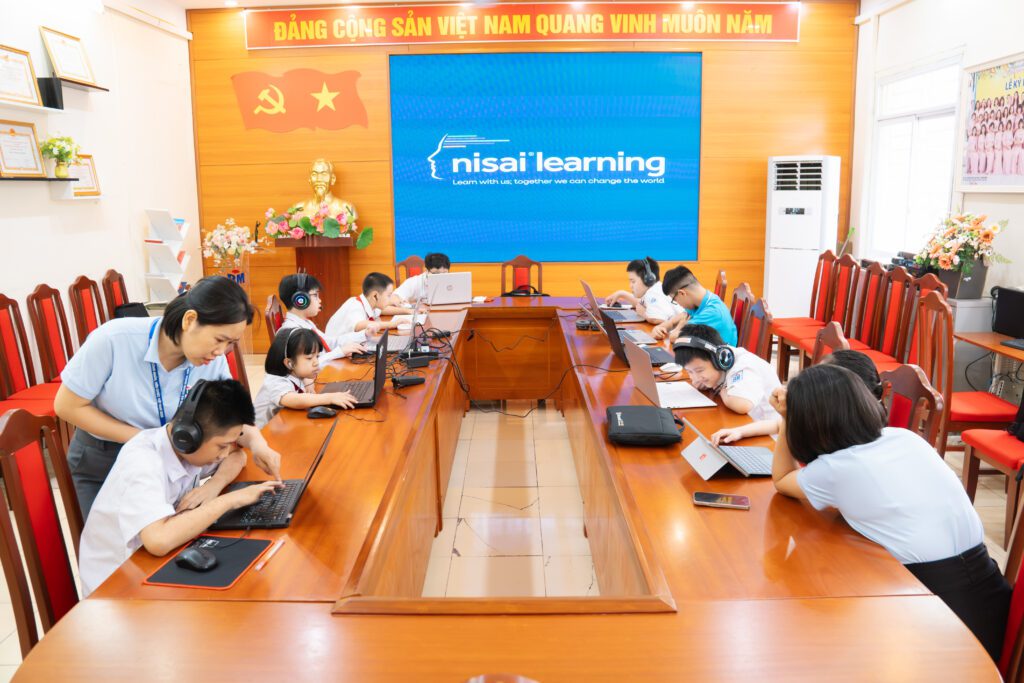
The initiative was delivered through Nisai’s N-HELPP Pre-A1 programme, supporting 9 students over 12 weeks through a total of 36 online lessons.
The pilot aimed to:
- Assess the feasibility of inclusive digital learning in public schools
- Introduce personalised education approaches tailored to each learner
- Support students with SEND through accessible and flexible teaching methods
By integrating global best practices with local education needs, the programme demonstrated how technology-enabled learning can help bridge gaps in traditional classroom settings.
Positive Outcomes in Student Engagement and Language Development
Students benefited from an engaging digital learning environment that focused on:
- Individualised learning progress
- Interactive online participation
- Natural language acquisition, similar to early-stage native English learning
Teachers observed notable improvements in:
- Listening comprehension
- Pronunciation skills
- Language reflexes and communication confidence
- Student engagement with digital platforms
These results highlight the potential of online SEND education programmes to enhance both accessibility and learning outcomes.
Supporting Diverse Learning Needs in Public Schools
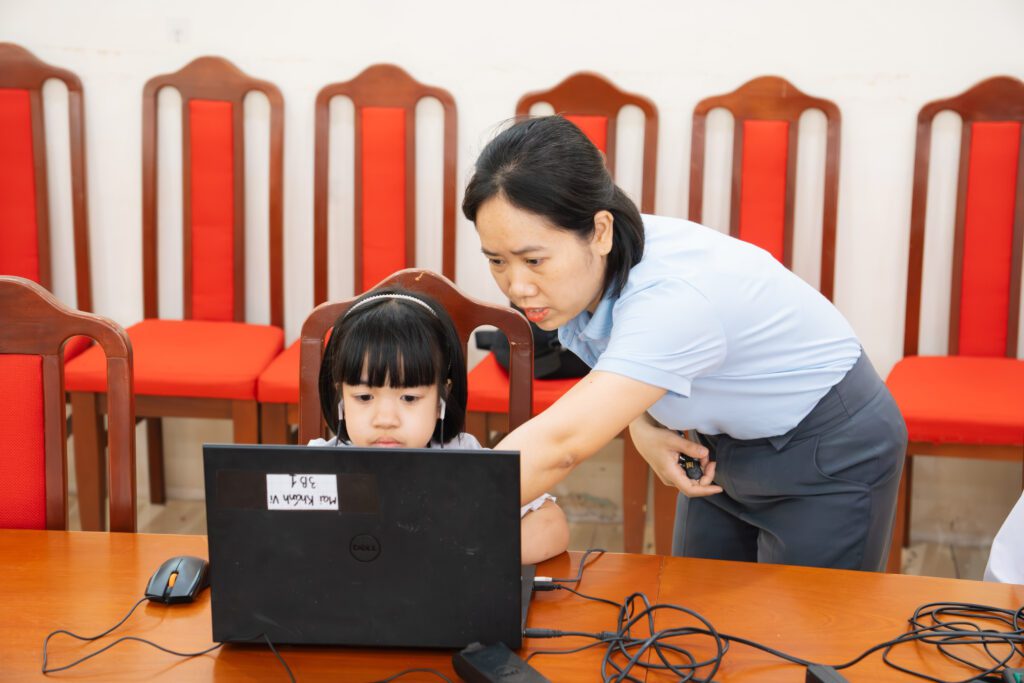
Each student participating in the programme came from a different educational background and faced unique challenges. Despite this, the pilot demonstrated encouraging progress in:
- Communication and interaction skills
- Adaptation to online learning environments
- Confidence in using English as a second language
The success of this initiative reinforces the importance of inclusive education strategies that prioritise the individual needs of every learner.
A Step Toward Scalable Inclusive Education Solutions
The findings from this pilot provide a strong foundation for Nisai to:
- Expand inclusive learning programmes across more schools
- Develop scalable solutions for SEND and ESL learners
- Support education systems in achieving equitable access for all students
This initiative aligns with Nisai’s commitment to “leaving no one behind”, ensuring that every student has access to quality education regardless of their learning needs.