Alternative provision, often shortened to AP, is education arranged for children and young people who would not otherwise receive suitable education because of exclusion, illness or other circumstances. Schools may also use it during a suspension or as off-site support intended to improve a pupil’s engagement or behaviour.
Alternative provision is not one particular type of school. It can be delivered through pupil referral units, alternative provision schools, specialist providers, colleges, online education or a mixture of settings. The right option depends on the learner’s needs, circumstances and intended outcomes.
What Does Alternative Provision Mean?
The purpose of alternative provision is to make sure a child or young person can continue receiving suitable education when mainstream school is not currently accessible or appropriate.
A placement may be full-time or part-time. It could provide short-term continuity, selected subjects alongside school, or a longer route towards qualifications. Some pupils attend a physical setting, while others learn online or through a blended timetable.
Good AP should have a clear purpose, suitable teaching, safeguarding arrangements, progress monitoring and regular reviews. The Department for Education provides statutory guidance on alternative provision for schools, local authorities and AP settings.
Who Is Alternative Provision For?
Alternative provision is often associated with exclusion, though it can support learners in several circumstances. It may be considered for pupils who:
- Have been permanently excluded or are at risk of exclusion
- Cannot attend school because of illness or medical needs
- Experience anxiety, mental health needs or emotional barriers to attendance
- Have persistent attendance difficulties or have disengaged from learning
- Are awaiting a suitable school or specialist placement
- Need an adapted timetable, managed move or gradual reintegration plan
Some pupils in AP have special educational needs or an Education, Health and Care Plan, while others do not. A diagnosis or particular difficulty does not automatically make alternative provision the right choice. Decisions should consider the learner’s abilities, support needs, views and longer-term goals.
Further information about additional needs is available through Nisai’s SEND and EHCP support.
Who Arranges Alternative Provision?
Responsibility depends on why the provision is needed.
Local authorities may arrange education for pupils who would otherwise not receive suitable education because of exclusion, illness or other reasons. Schools may arrange alternative provision during a suspension, previously called a fixed-period exclusion, or use off-site provision to support behaviour and engagement.
Formal placements are therefore usually arranged or commissioned by a school or local authority. Parents and carers should still be involved and given clear information about the provider, timetable, curriculum, safeguarding, reporting and purpose of the placement.
What Are the Different Types of Alternative Provision?
Alternative provision covers several settings and delivery models.
Pupil Referral Units and Alternative Provision Schools
Pupil referral units, known as PRUs, are maintained settings for pupils who cannot currently attend mainstream school. Alternative provision academies and free schools are registered schools specialising in this area.
A PRU is therefore one form of AP, rather than another name for all alternative provision.
Independent, Specialist and College Provision
Independent providers may offer academic learning, vocational courses, therapeutic support, personal development or targeted programmes.
Older pupils may also access college-based courses, practical learning or employability provision as part of their placement.
Online Alternative Provision
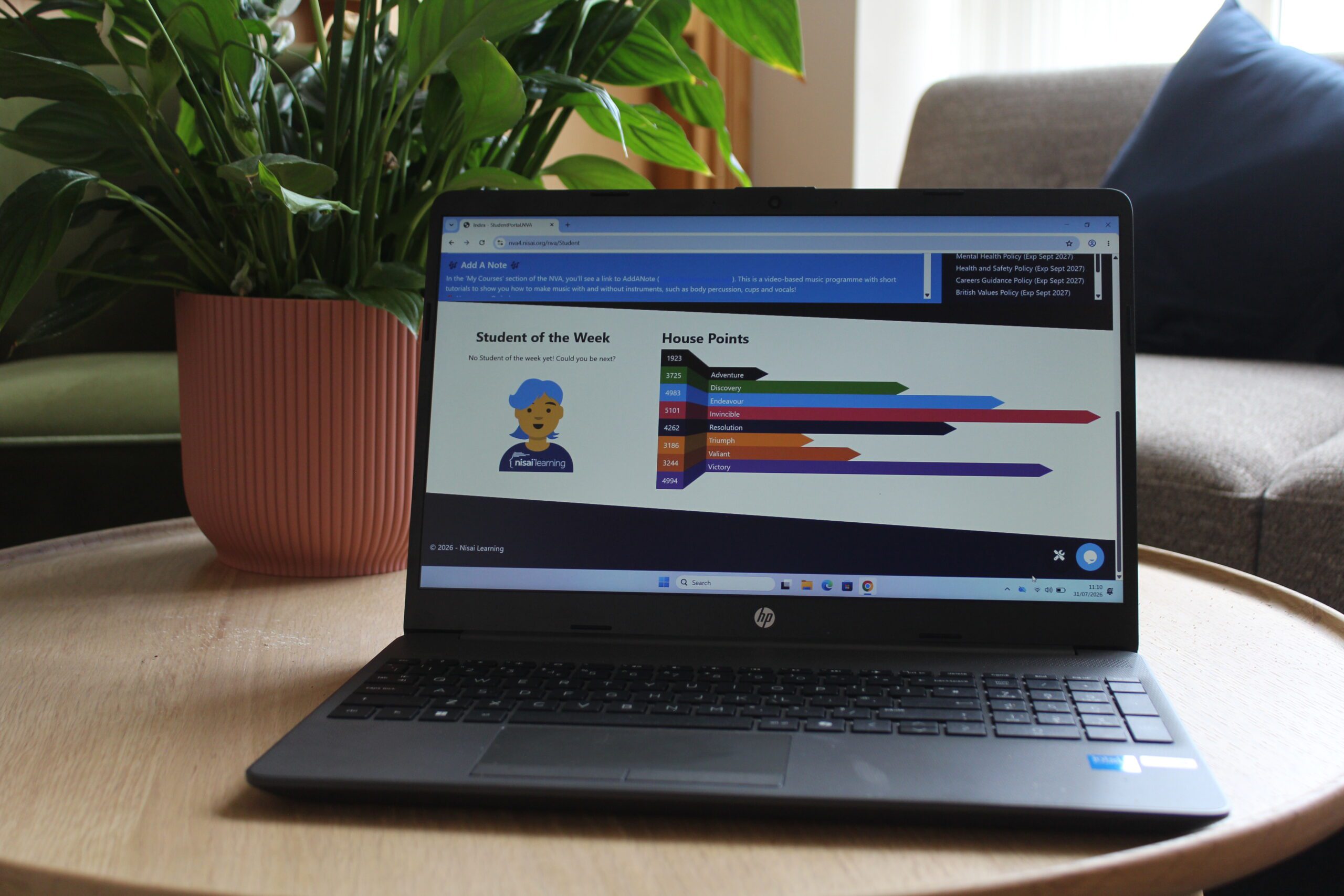
Online AP can provide live teaching, structured lessons and recognised qualifications without requiring a learner to enter a busy physical classroom. It may be accessed at home, within school, in a PRU or through another supervised setting.
Nisai provides teacher-led online alternative provision for schools, local authorities and families. Academic learning can be combined with mentoring and wellbeing support according to the learner’s needs.
Is Alternative Provision the Same as a Special School?
No. A special school is organised specifically for pupils with special educational needs. Alternative provision is defined by the circumstances in which education has been arranged, such as exclusion, illness or difficulty accessing suitable mainstream education.
A learner in AP may have SEND or an EHCP, and the placement should account for any identified needs. Other pupils may enter alternative provision without having special educational needs.
How Does an Alternative Provision Placement Work?
The exact process varies, though it should begin with a clear understanding of the barriers affecting the pupil’s education. Information about attainment, attendance, health, SEND, previous support and safeguarding may be reviewed.
The school, local authority and family can then consider a suitable provider, timetable and set of outcomes. Once provision begins, attendance, engagement, wellbeing and academic progress should be monitored.
Regular reviews should consider whether the placement remains suitable and what should happen next. This might include reintegration into mainstream school, transition to a specialist setting, continued AP, qualifications, college or training.
Does a Child Stay on Their School Roll?
A pupil may remain registered at their existing school while attending off-site or online provision, though this depends on how the placement is arranged.
Parents and carers should ask who remains responsible for the child’s education, where attendance will be recorded, how progress will be reported, how often the placement will be reviewed and what the intended next step is.
Clear answers help everyone understand the purpose of the placement and who is responsible for each part of the learner’s education.
How Long Does Alternative Provision Last?
There is no standard duration.
Some learners need short-term support during illness, suspension or transition. Others may study selected subjects outside school or follow a longer programme leading to qualifications.
The placement should remain connected to a clear aim and be reviewed regularly. It should not continue simply because another plan has not been made.
What Should Good Alternative Provision Include?
High-quality AP should provide more than somewhere for a pupil to spend the school day.
Schools, local authorities and families should look for suitable teaching, clear safeguarding responsibilities, attendance monitoring, progress reports, appropriate SEND or wellbeing support, and a plan for future progression.
Nisai’s alternative provision curriculum includes live teaching and routes from upper Key Stage 2 through to GCSE, Functional Skills and A levels. Its online provision has also been independently assessed through OEAS accreditation.
Can Alternative Provision Support Reintegration?
Alternative provision can support a return to mainstream school, although that will not be suitable for every learner.
A gradual plan may help a pupil rebuild routine, improve attendance and return to selected lessons. Nisai’s Online Learning Zones can support pupils who remain on a school site but need a calmer space and more personalised timetable.
For other young people, the right next step may be specialist provision, further education, training, employment or continued AP. Progress should be judged against the learner’s needs and agreed goals.
How Can Nisai Support Learners Through Alternative Provision?
Nisai provides live, teacher-led online education for learners who need a different route to learning. Small online classes, personalised academic pathways and regular monitoring help students access structured education from a suitable setting.
Academic provision can be combined with wellbeing and mentoring support to help learners address barriers, develop positive routines and prepare for their next stage.
The most suitable provision depends on the learner’s current education, support needs and intended outcomes. Schools, local authorities and families can explore Nisai’s alternative provision or speak to our team about a suitable pathway.
Get in touch with the team at Nisai today for more information.