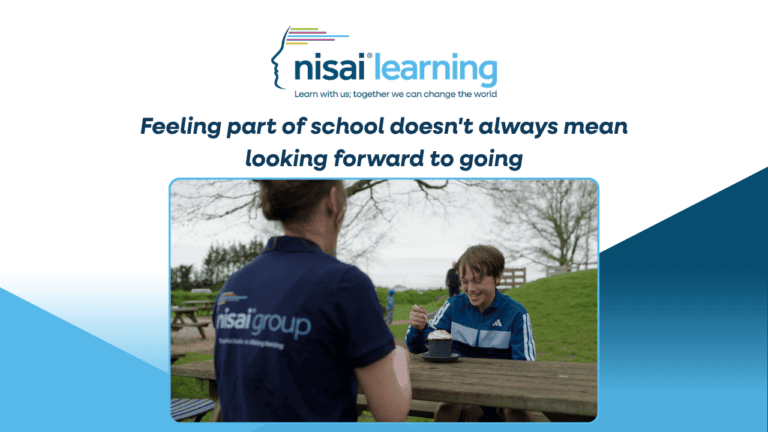
Online school mentoring support provides a consistent, accessible way for students to receive academic and emotional guidance through structured sessions with a dedicated mentor, delivered via secure virtual platforms. This one-to-one or small-group support helps learners set goals, manage challenges, track their progress, and build confidence, wherever they are based. Below, we break down the essential aspects of online school mentoring, show how it differs from tutoring, outline how pupil progress is measured, and explore its role in major educational transitions.
What Is Online School Mentoring Support?
Online school mentoring support refers to the structured guidance, encouragement, and practical help given to pupils in virtual learning environments by experienced mentors. These mentors are not only academically knowledgeable but also trained to support students’ wellbeing, helping them overcome challenges such as stress, anxiety, or feelings of isolation that can affect learning online.
The process involves regular meetings where pupils discuss their academic work, social skills, or personal targets. Because the support is delivered online, it adapts to the schedule and location of the learner, ensuring flexibility and accessibility across the UK and beyond. Programmes like those at Nisai focus on promoting a sense of belonging, emotional resilience, and sustained progress.
-
- Mentoring might include:
Checking in on coursework and setting achievable targets. - Offering emotional support during periods of anxiety or change.
- Helping students develop problem-solving and communication skills.
- Providing practical advice for managing workload and life balance.
- Mentoring might include:
This approach is especially valuable for learners at online schools who may feel disconnected from traditional classroom environments, or who have additional challenges to navigate.
Measuring Pupil Progress in Online Mentoring
Measuring progress in online mentoring moves beyond simple grades or test results. Mentors keep detailed records of each session, tracking both academic achievements and personal growth.
This can include feedback on completed assignments, improvements in motivation, development of time management skills, or changes in confidence.
Mentors and learners often work together to set specific, measurable goals at the start. These could relate to academic targets, such as improving a particular subject grade, or personal objectives like participating more in online discussions or establishing a regular study routine. At agreed intervals, mentor and student review these goals, reflect on obstacles faced, and celebrate milestones.
Effective online mentoring providers, such as those at Nisai, often use a mix of quantitative data (attendance, assignment completion, grades) and qualitative input (wellbeing surveys, feedback forms, personal reflections). Regular communication with parents and teachers may also be part of this process, ensuring a joined-up support network around each student.
Ways Online Mentoring Differs from Tutoring
While both online mentoring and tutoring aim to support learners, they take distinct approaches and deliver different outcomes. Tutoring is typically focused on teaching a specific subject or skill, addressing gaps in knowledge, and helping with exam preparation. Sessions are often structured around the curriculum, with clear objectives for academic improvement.
In contrast, online mentoring is holistic. The mentor is concerned not only with academic progress but also with the learner’s emotional wellbeing, confidence, motivation, and personal development. Sessions are guided by the pupil’s needs on the day, which might mean discussing stress management one week and goal-setting for a project the next.
Key differences include:
-
- Purpose: Tutors teach; mentors guide and support.
- Scope: Tutoring is subject-specific, while mentoring addresses wider aspects of school life and learning.
- Method: Learning in tutoring is typically one-directional, whereas mentoring relies on dialogue and relationship-building.
Online mentoring at a school like Nisai is built to help students feel understood, valued, and ready to tackle both their studies and life’s challenges.
How Frequent Should Online Mentoring Sessions Be?
The ideal frequency of online mentoring sessions varies depending on individual needs, school policies, and the type of support required. Many programmes, including those run by leading online schools, recommend weekly sessions to provide regular check-ins and ongoing encouragement. This consistent rhythm helps foster trust and keeps students motivated.
For some students, especially when facing major life changes or additional challenges, more frequent mentoring might be beneficial, at least for a period. For others who have become more independent, fortnightly sessions may be enough to maintain steady progress without being overwhelming.
The key is to adjust the schedule to suit the individual; flexibility is a core strength of online mentoring. Both learners and mentors should feel comfortable agreeing when and how often to meet, ensuring the support is meaningful but not intrusive.
How Online Mentoring Supports School Transitions
Transitions between schools, key stages, or learning environments can be stressful for any student. For those studying online, the absence of a traditional support network may increase worries during these periods. Online mentoring provides tailored guidance to smooth these transitions.
A mentor can help a pupil prepare for changes in workload, adapt to new subjects or routines, and build resilience to manage uncertainty. For example, before moving from primary to secondary school, a mentor might guide a pupil through what to expect, how to organise their time, and where to seek help. For older students transitioning to sixth form or college, mentors may support goal-setting and decision-making surrounding subject choices or career pathways. For Year 11 students, targeted 1:1 mentoring can be especially helpful ahead of exams.
By offering a trusted point of contact and personalised advice, online mentoring makes transitions less daunting and more successful. Students are more likely to maintain continuity in their learning, adapt confidently to new settings, and feel supported every step of the way.
Choosing and Comparing Online Mentoring Programmes
For parents and learners looking to find the most effective online school mentoring, it’s important to consider both the quality of mentors and how progress is recorded. Look at whether the provider offers holistic support, the types of feedback parents receive, and the adaptability of the programme to individual needs. Transparency, regular review, and a clear emphasis on wellbeing as well as academic achievement set the best programmes apart. It is also worth checking the structure of the online school programmes on offer, so mentoring aligns with the wider learning experience.
If you want to understand more about how virtual and in-person support might benefit your child or school, and how school-based mentoring works within a wider framework of emotional and academic development, read further about mentoring for online schools at Nisai.
FAQs about Nisai online mentoring support
How are Nisai mentors matched with students?
We consider the learner’s goals, subject focus, and pastoral needs, alongside availability. The match is reviewed after initial sessions to confirm the fit and adjusted if required.
What platforms does Nisai use for online mentoring?
Mentoring is delivered in secure virtual classrooms with access via the Nisai Virtual Academy and our portals, ensuring privacy, safeguarding, and reliable connectivity.
How do parents and schools receive progress updates?
Mentors agree clear goals, keep session notes, and provide periodic updates. Parents and schools can access reports through our secure portals, with direct contact arranged when needed.
Can mentoring be intensified around exams or key transitions?
Yes. Session frequency and focus can increase during periods such as Year 11 exam preparation or moves between key stages, then return to a steady rhythm afterwards.
Is online mentoring available to learners outside the UK?
Yes. Nisai supports learners across the UK and internationally, scheduling sessions that suit different time zones while maintaining consistent safeguarding standards.
Related Articles
Best Online School: How to Choose the Right Online School for Your Child